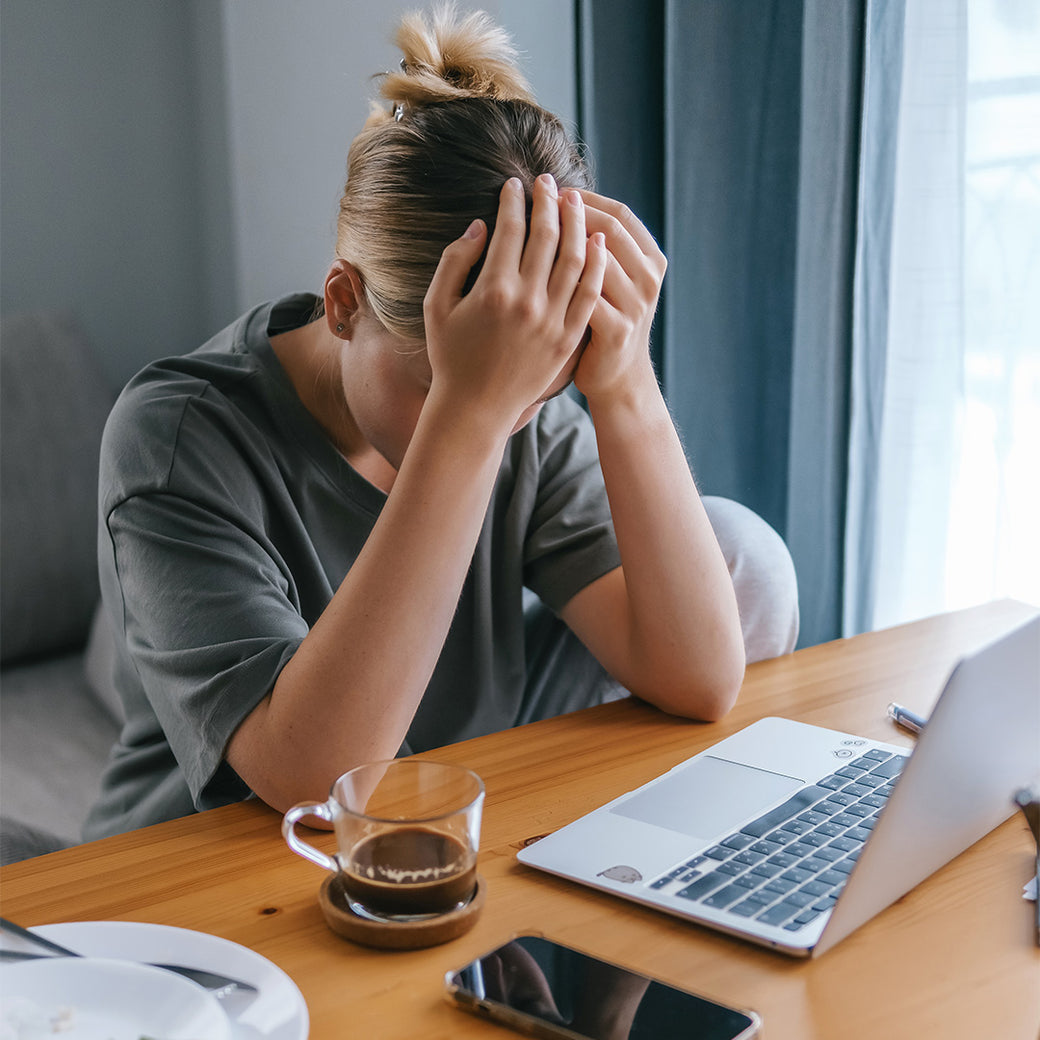
The everyday weight of stress and anxiety
Our survey of 545 adults shows how common, frequent and far-reaching stress and anxiety have become.
What are you looking for?
Recent searches
Productos recomendados
48% of people across 32 countries say so (Ipsos, 2026).
Just 4% of us are stress-free. Here’s what everyone else told us.
In the Ipsos Health Service Report 2026, 48% of people across 32 countries named mental health one of the biggest health problems in their country, ahead of cancer (40%) and stress (32%). It’s topped the list every year since 2023, up from 27% in 2018. Understanding how stress and anxiety affect us is a sensible place to start.
Very few of us are untouched. In our survey of more than 12,000 customers, just 4% described themselves as ‘stress-free’. Another 48% said their stress was manageable, and the remaining 48% called it ‘high’ or ‘overwhelming’. We wanted to understand more, so we surveyed over 500 people about how stress and anxiety show up in their lives, the symptoms they notice and what they do to manage them.*

Our survey of 545 adults shows how common, frequent and far-reaching stress and anxiety have become.
Our survey of 545 adults reveals widespread short, disrupted sleep - and its tight, two-way link with stress.
Cortisol is a major hormone produced by our bodies with a significant impact on our mental and physical wellbeing, and one of the most common yet little-known causes of poor sleep, anxiety, and stress. Our expert nutritionists explain what cortisol is, how it is created, how it affects us, and how you can lower cortisol levels.

Cortisol is a stress hormone and a steroid hormone that is released by the adrenal glands. It is a major stress hormone and works with adrenaline in stressful situations. Your cortisol levels are regulated by glands in the body called the hypothalamus glands, the pituitary, and the adrenal glands.
Although cortisol is normally associated with stress, it does play a wider role in the body which includes functions such as regulation of blood sugar levels, metabolism, memory, inflammation, water balance and blood pressure. In pregnancy, cortisol is necessary for the development of the foetus.
High cortisol levels can cause a number of health issues, including weight gain, anxiety, difficulty sleeping, impaired digestion, abdominal obesity, and weight gain.
Symptoms of high cortisol can present in many different ways. Some common symptoms of high cortisol include:
To check your cortisol levels, you can undergo a blood, urine, or saliva test, which are commonly used to measure cortisol in the body. A blood test is typically done in the morning when cortisol levels are at their highest, while saliva tests can be taken at home for more flexibility. Urine tests are often used for monitoring cortisol over a 24-hour period. Consulting a healthcare professional is essential to determine the best method based on your symptoms and needs.
TYPE 1
This is the classic “my body feels heavy” tiredness after busy days, training, poor sleep or standing on your feet for hours.
Common causes of physical fatigue
Typical symptoms
How to overcome
TYPE 2
Mental fatigue is that foggy, “my brain has had enough” feeling after long hours of concentration, screen time, decision-making, and multitasking.
Common causes of mental fatigue
Typical symptoms
How to overcome
TYPE 3
Emotional tiredness comes from carrying a lot mentally: caring responsibilities, conflict, people-pleasing, or simply “holding it all together” for too long.
Common causes of emotional fatigue
Typical symptoms
How to overcome
TYPE 4
This is tiredness driven by how your body is handling energy – blood sugar swings, low nutrient status, thyroid issues or underlying metabolic problems.
Common causes of metabolic fatigue
Typical symptoms
How to overcome
TYPE 5
This is the “I’m constantly on the go” tiredness that comes from doing too much, sleeping too little and never truly switching off. Left unchecked, it can move towards burnout.
Common causes of lifestyle and 'overload' fatigue
Typical symptoms
How to overcome
Serotonin: The mood stabiliser
Serotonin is a neurotransmitter that regulates mood, sleep, digestion, and overall emotional wellbeing. Low serotonin levels are linked to depression, anxiety, and sleep disorders. It is primarily produced in the gut and plays a significant role in maintaining a balanced mood. Learn more about the gut-brain connection.
Dopamine: The reward chemical
Dopamine is associated with pleasure, motivation, and reward-driven behaviour. It is released when we achieve goals, engage in enjoyable activities, or experience something pleasurable. Dopamine imbalances can lead to conditions like depression, addiction, and lack of motivation.
Oxytocin: The love hormone
Often referred to as the 'bonding hormone', oxytocin is released during social interactions, physical touch, and moments of emotional connection. It fosters trust, empathy, and deep relationships. Oxytocin also plays a vital role in reducing stress and promoting emotional resilience.
Endorphins: The natural pain relievers
Endorphins are chemicals that act as natural painkillers and stress relievers. They are released during exercise, laughter, and pleasurable experiences. Endorphins help reduce pain perception and create a sense of wellbeing.
Mental health affects individuals of all genders, but research suggests that women are more likely to experience mental health disorders than men. According to the World Health Organisation (WHO), depression is twice as common in women as in men. Additionally, anxiety disorders are more frequently diagnosed in women, with studies indicating that women are 1.5 - 2 times more likely to suffer from generalised anxiety disorder than men.
Hormonal factors
Hormones play a significant role in regulating mood, and fluctuations in oestrogen and progesterone throughout a woman’s life can contribute to mental health challenges.
Social and economic factors
Women often face unique social pressures and economic challenges that can contribute to higher rates of mental health issues. Societal expectations, caregiving responsibilities, workplace discrimination, and income inequality can all add to stress levels.
Depression and postnatal depression
Depression is one of the most common mental health disorders affecting women. Beyond general depression, postnatal depression is a condition that specifically affects women following childbirth. The sudden drop in hormone levels after pregnancy, combined with the physical and emotional demands of caring for a newborn, can lead to severe depressive symptoms.
Age
Younger women (18 to 35) face a higher risk of anxiety and depression, with hormonal shifts during puberty, pregnancy and menopause all playing a part. For men, mental health challenges tend to peak in middle age, often linked to work, money and family pressures.
Whilst people may decide to vape as a stress-relieving action, in the same way they may have previously decided to smoke cigarettes, research does not support vaping as an effective reliever of stress.
In the US alone, where research into vaping is among the most extensive, every day, over 3,500 youths start to vape. A study of over 2,500 people aged 13-24 showed that those who vaped nicotine and/or THC were more likely to report symptoms of anxiety than those who do not vape or smoke e-cigarettes. In another large study of teenagers who had never previously smoked cigarettes or used e-cigarettes, a bi-directional association was found between symptoms of depression and e-cigarette use.
Digestion¿Cómo gestionar el estrés para prevenir un brote de SII?
Descubra cómo el estrés puede desencadenar o empeorar muchos problemas de salud, incluido el síndrome del intestino i...
HeartCómo afecta el estrés al corazón
Nuestros nutricionistas comparten cómo la ansiedad afecta la salud del corazón y los mejores alimentos y suplementos ...
Hair, Skin, Nails¿Cómo afecta el estrés a tu piel?
Fundadores de Balance Me, exploran el impacto que tiene el estrés crónico en nuestra piel y lo que pueden hacer para...
Brain & Memory¿Qué es el nervio vago y por qué todo el mundo habla de él?
¿Qué es el nervio vago y cómo puedes estimularlo para mejorar el estrés, el sueño y la recuperación?
EnergyCómo las glándulas suprarrenales afectan el estrés y la resistencia
¿Dónde se encuentran las glándulas suprarrenales y qué hacen? Una función suprarrenal deficiente afectará sus nive...
Mental HealthEfectos de la menopausia sobre la salud mental
Encuestamos a más de 1000 mujeres para comprender los efectos de la menopausia en el hogar y en el lugar de trabajo.
NutritionPor qué el estrés agota sus vitaminas C y B y qué hacer al respecto
Cómo el estrés crónico agota nutrientes clave como la vitamina C y las vitaminas del complejo B, y qué puede hacer pa...
Mental Health8 sorprendentes beneficios de la ashwagandha
¿No estás seguro de por qué todo el mundo habla de la ashwagandha? Todo lo que necesitas saber sobre la ashwagandha y...
Brain & MemoryAdaptógenos que pueden cambiar tu vida
Cómo controlar el estrés, la ansiedad y la resistencia para mejorar las articulaciones, la salud mental, la función ...
Brain & Memory¿Qué son los hongos funcionales y por qué los necesitamos?
Del estrés a la resistencia: aquí explicamos por qué todo el mundo habla de estos hongos.
NutritionDiferencias entre el azafrán y la ashwagandha
¿Azafrán o ashwagandha? Descubra cómo funcionan de manera diferente para combatir el estrés, la ansiedad y el estado ...
Brain & MemoryHongos y salud cerebral
Descubra el intrigante relación entre los hongos y la función cerebral, y profundizar en la creciente popularidad de ...
Stress & Sleep¿Por qué todo el mundo habla de Schisandra?
Eficaz y utilizada durante miles de años, explicamos por qué la Schisandra es tan popular.
Brain & Memory8 cosas para mantenerte tranquilo, saludable y feliz en este momento
Consejos recomendados de nutrición y estilo de vida para mantenernos positivos este invierno.
Brain & Memory¿Qué es la TCC y puede realmente ayudar con el estrés? Lo que muestra la evidencia
Cómo la terapia cognitivo-conductual (TCC) puede ayudar a manejar el estrés y la ansiedad al cambiar los patrones de ...
Mental Health¿Qué es la PNL y puede realmente ayudar con el estrés?
¿Qué es la PNL, funciona realmente y podría ayudar con el estrés?
Brain & MemoryPor qué el aburrimiento es lo mejor para tu cerebro y por qué hemos perdido la capacidad de sentirlo
Por qué el aburrimiento podría ser exactamente lo que tu cerebro necesita para descansar, reiniciarse y pensar de for...
Brain & MemoryMagnesio y TDAH: Todo lo que necesitas saber
Lea lo que dicen las últimas investigaciones y los expertos, y explore si un simple suplemento podría marcar una dif...
DigestionTDAH y salud intestinal: ¿cómo se relacionan?
La Dra. Rachel Gow explica cómo la mala salud intestinal puede afectar a las personas con TDAH y TEA.
Brain & Memory14 signos comunes del TDAH
Todo lo que necesita saber sobre el TDAH, a quién afecta y los signos del TDAH.
Brain & MemoryCómo afecta la menopausia al TDAH
Los niveles de estrógeno pueden afectar y exacerbar los síntomas del TDAH. La experta en TDAH, la Dra. Rachel Gow, ex...
For everyday pressure
Stay Calm® is DRV+'s award-winning all-rounder, built for staying calm while staying switched on. The new formula brings 200mg L-theanine, an amino acid found naturally in green tea - caffiene free, together with Ashwagandha KSM-66®, lion's mane, cordyceps and saffron. Its vitamin B6 and magnesium contribute to normal psychological function and the normal functioning of the nervous system, while vitamins B5 and B6 and magnesium contribute to the reduction of tiredness and fatigue
El 81% lo considera eficaz*
Including L-theanine,cordyceps extract, ashwagandha extract, and vitamin B6 and magnesium.
For feeling flat
Saffron Safr'Inside™ is for the person who isn't unwell, just not quite themselves. It pairs 30mg Safr'Inside™, the dose used in the extract's clinical trials and equivalent to 150mg saffron, with 270mg lemon balm. Safr'Inside™ is a patented and clinically studied form of saffron which contributes to normal mood and emotional balance, while lemon balm contributes to optimal relaxation. In an 8-week placebo-controlled trial of 56 healthy adults, 30mg Safr'Inside™ a day improved mood scores and reduced the response to an acute stress test (Frontiers in Nutrition, 2021).
30mg patented Safr'Inside™ saffron extract, equivalent to 150mg of saffron. For mood and emotional balance.
For periods of higher stress
When stress runs higher and starts to affect sleep, DRV+ nutritionists point to Ashwagandha KSM-66®. KSM-66® is a full-spectrum root extract and the most extensively studied ashwagandha extract in the world, with over 50 published clinical trials. DRV+ provides 500mg organic KSM-66®, standardised to 5% withanolides (the plant's key natural compounds), in one capsule a day, for emotional balance and calm.
Speak with our team to understand your needs and explore personalised recommendations for your health.
DRV+ was built for people who do their research and ask questions. Because it's important to know exactly what you're putting into your body.
The DRV+ Hubs makes that research easier. Explore the science behind supplements and nutrition, understand ingredients, and separate facts from fads so you can make informed decisions about your health.
Customer survey of 12,204 people by DRV+ and an online survey of 545 men and women, UK nationally representative, conducted in January 2023, including 125 customers who take Stay Calm®. All survey findings reflect our own efforts and have not been influenced or verified by any external organisations or third-party entities.