


ANAGEN
2–6 YEARS
Growth phase
The follicle is actively producing hair.


MEN'S HEALTH
 Ashwagandha KSM-66®
 Bone & Muscle Support
 Brain Fuel®
 Choline
 Creatine & BCAAs
 Curcumin & Turmeric
 Daily Multivitamin
 Debloat & Detox
 Fibre Complex
 GastroAid®
 Gentle Iron & Vitamin C
 GlucoBalance®
 Gut Works®
 Hair Saviour®
 HeartPro®
 Hydrate+ Lemon
 Hydrate+ Mixed Berry
 Hydrate+ Orange & Pineapple
 Kid's ProMulti
 Magnesium Citrate
 Magnesium Glycinate
 Men's ProMulti
 MenoFriend®
 OsteoFriend®
 PeriMenoFriend®
 pH Hero®
 PMS Hero®
 Pregnancy Multinutrient
 Protein & Creatine Superblend
 Saffron Safr’Inside™
 Screen Eyes
 Skin Saviour®
 Stay Calm®
 UltraEnergy
 Vegan Nights®
 Vegan Omega 3
 Vitamin B12
 Vitamin D3 & K2
 Weight Management Support
 Women's ProMulti
 Gut Health Stack
 Hair & Skin Stack
 Hydrate+ Citrus Duo
 Hydrate+ Lemon Berry Duo
 Hydrate+ Trio
 Hydrate+ Tropical Duo
 Men's Health Stack
 Menopause Stack
 Muscle & Joint Stack
 Perimenopause Stack
 Pregnancy Stack
 Sport & Performance Stack
 Stress & Sleep Stack
 Vegan Essentials Stack
 Women's Health Stack

Saffron is a flower that enhances the level of serotonin in the brain.
Learn moreHair loss, thinning and scalp issues affect millions of men and women. For some, the impact goes beyond the physical, affecting confidence and wellbeing. Here you will find expert insights and practical tips to support your journey.


Male
Pattern
baldness
It is estimated that around
6.5 million men
in the UK are affected by hair loss (specifically male pattern baldness).


Female
Pattern
hair loss
By the age of 50, about
13% of women
are estimated to have androgenetic alopecia (female pattern baldness) in the UK.
At DRV+ we are committed to supporting your health, including your hair and scalp health, no matter the cause. To fully recover from hair loss, thinning and scalp issues, you need to understand the root cause and tackle the problem head-on. There are many reasons for hair loss and poor hair and scalp health, which may include:

Stress
Stress
Stress plays a big role in hair loss. The stress hormone cortisol disrupts the hair growth cycle and reduces the blood nutrient supply to the hair follicles, causing hair thinning.

Medicine
Medicine
Medications including blood thinners, beta-blockers, antidepressants, some anti-seizure medicines, retinoids (high-dose vitamin A) and certain hormonal contraceptives, can all contribute to reduced hair growth, hair loss or thinning.

UV damage
UV damage
Excessive sunlight exposure to the scalp can weaken the hair shaft. Ensure you wear a sun hat to cover the scalp in times of excessive sun exposure.

Hormone imbalance
Hormone imbalance
Hormonal imbalances, especially an increase in the toxic form of testosterone (dehydrotestosterone) and a decrease in oestrogen and progesterone. Menopause is a time when women notice some hair thinning and loss. Menopause support supplements and an inclusion of phytoestrogenic foods may be helpful.

Autoimmune alopecia
Autoimmune alopecia
When autoimmune antibodies attack the hair follicles and cause hair to fall out. To really improve this condition, the immune system needs to be calmed down and the hair follicles need additional support. If you have autoimmune alopecia, we recommend you seek professional help.

Nutrient deficiencies
Nutrient deficiencies
Nutrient deficiencies especially in iron, iodine, zinc and biotin, can slow down hair growth and can cause hair thinning. Iron is needed for normal blood flow to the scalp.

Harsh hair treatments
Harsh hair treatments
Harsh hair treatments such as bleaching, perms and overuse of heat styling damage the hair shaft or the hair root. Ask your stylist if there are gentler ways to get the look that you desire.

Thyroid disorders
Thyroid disorders
The thyroid is responsible for regulating the metabolism. If the thyroid is not working to its full potential, hair growth won’t be at its full potential.

Fungal and bacterial infections
Fungal and bacterial infections
Infections can affect the scalp and damage the hair follicles, leading to bald patches or thinning. Some topical solutions may help in killing the infectious pathogens; however, you will need to support your immune system and the hair follicles themselves.

Inflammatory skin conditions
Inflammatory skin conditions
Conditions such as psoriasis, eczema, and seborrhoeic dermatitis are induced inflammations, either due to autoimmune antibodies or elevated histamine levels which can affect hair.

Chemotherapy and radiotherapy
Chemotherapy and radiotherapy
Chemotherapy and radiotherapy destroy quickly dividing cells in an attempt to destroy cancer cells. Hair is also a quickly dividing cell, and such therapies can cause hair loss.

Crash diets and rapid weight loss
Crash diets and rapid weight loss
When crash diets are undertaken, or rapid weight loss occurs, it creates an environment of stress in the body. Since hair growth isn’t necessary for survival, it won’t be a priority for the body.

Compulsive hair-pulling disorder
Compulsive hair-pulling disorder
Compulsive hair-pulling can affect both adults and children. Adults may need professional therapist support to get to the root cause of the problem. Children may need to be given another way to comfort themselves or take out their frustration.

Diabetes and polycystic ovary syndrome (PCOS)
Diabetes and polycystic ovary syndrome (PCOS)
PCOS, insulin resistance, and diabetes can increase the level of testosterone, which can lead to male pattern baldness in men and women.

Traction alopecia from hair loss from tight hairstyles
Traction alopecia from hair loss from tight hairstyles
When hair is constantly pulled out from hairstyles (braids, ponytails, extensions), the eventual result may be bald patches. Experiment with different hairstyles that don’t pull on the scalp. Some topical and supplemental therapy may be needed to encourage hair regrowth.

Eating disorders including anorexia or bulimia
Eating disorders including anorexia or bulimia
Nutrient deficiencies often result in cases of eating disorders and may cause hair growth to slow down.

Burns, surgery or severe trauma can induce localised hair loss
Burns, surgery or severe trauma can induce localised hair loss
Unfortunately, hair loss due to tissue damage and scarring tends to be more permanent.

Exposure to toxins such as heavy metals or industrial chemicals
Exposure to toxins such as heavy metals or industrial chemicals
Environmental toxins (lead, arsenic) may cause direct damage to the hair follicles as well as indirectly by causing oxidative damage.


Growth phase
The follicle is actively
producing hair.
Transition phase
Growth slows and the
follicle begins to shrink.
Resting phase
The follicle is inactive while
a new hair forms.
New cycle begins
Fresh growth starts as the
old hair sheds.
Growth phase
The follicle is actively producing hair.
Transition phase
Growth slows and the follicle begins to shrink.
Resting phase
The follicle is inactive while a new hair forms.
New cycle begins
Fresh growth starts as the old hair sheds.
Early years
Hair follicles are small and less hormonally active. Hair growth is finer and slower but consistent.
What to prioritise
Peak density window
Hair is at its thickest and healthiest. Hair shedding is usually stable, however, it can be affected by stress, poor diet, hormonal birth control and pregnancy.
What to prioritise
Longer growth phase
High oestrogen prolongs the anagen phase. Hair becomes thicker, fuller and longer.
What to prioritise
Common shedding peak: 3–6 months
Oestrogen drops sharply and many follicles enter telogen at once. Postpartum shedding commonly peaks between 3–6 months. Temporary thinning at temples is common.
What to prioritise
Hormones fluctuate
Oestrogen and progesterone decline unpredictably. Androgens (especially DHT) become relatively higher. Hair becomes thinner, drier and less dense. Increased shedding is common. The hairline may recede slightly or feel less full
What to prioritise
Low baseline oestrogen
Oestrogen drops to a stable, low baseline. Hair follicles miniaturise in those with genetic sensitivity. Growth slows significantly. Density reduces. Hair becomes finer and more fragile. Hair is slower to grow. Increased facial hair may appear due to androgen dominance.
What to prioritise
Longer resting phases
Follicles can spend longer in telogen; some follicles completely shut down and stop producing hair. Hair shaft diameter thins. Growth rate decreases to 0.3–0.4 mm/day.
What to prioritise
During menopause, falling oestrogen levels reduce collagen production, which can affect hair growth and strength. Collagen supports healthy blood vessels that deliver nutrients to the scalp and hair follicles, so lower levels may lead to thinning, brittle, and weaker hair.
If you’re feeling tired or under pressure or your diet lacks essential nutrients, it can often impact your hair and nail growth and skin radiance.
Foods to reach for
Foods to avoid

Understanding premature grey hair

Castor oil for hair: benefits, uses & side effects

How hormones affect your hair

How to Combat Dry Scalp: Tips for Prevention

Why Zinc is so important for your immune system, hair & skin

Is MSM good for hair growth and strength?

Does Rosemary Oil help hair growth?
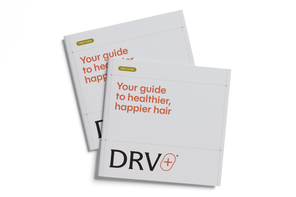
Get expert insights and practical tips to support your journey.
The UK's #1 vegan hair supplement, recommended by professionals.
Hair Saviour® fuels hair growth in as little as 3-4 months, helping combat hair loss and hair thinning, supporting strong, lustrous and glowing hair.
 79% find it effective*


With 14 nutrients, including AnaGain™, proven to increase propensity for hair growth by 78%.

“Hair Saviour blends key nutrients and botanicals to nourish hair from within. Great for supporting stronger and healthier hair.”
Hair Saviour® is a comprehensive blend of clinically studied vitamins, minerals and botanicals, formulated to support hair strength, growth, condition and thickness - for those who commit to consistent daily use.
 76 respondents (from 194 surveyed)
 2024-2025
 Cross-sectional customer survey
Speak with our team to understand your needs and explore personalised recommendations for your health.

Elouise Bauskis
ND, BSc, DN, DBM, mNNA, mAMH, mGNC
Elouise is a highly experienced Naturopath, Nutritional Therapist & Herbalist, who provides expert health advice and support to consumers and practitioners.

Camilla Belderbos
BSc (Hons), DipCNM, mBANT, CNHC
Camilla is a registered Nutritional Therapist and Naturopath who helps customers build confidence and achieve their health goals through guided, healthy lifestyle choices leading to a nourished mind and body.

Sue Potgieter
RN, rANP, rGNC
Sue is a registered nutritionist and naturopath, and as part of our customer services team, she is committed to helping our customers optimise their health.
DRV+ was built for people who do their research and ask questions. Because it's important to know exactly what you're putting into your body.
The DRV+ Hubs makes that research easier. Explore the science behind supplements and nutrition, understand ingredients, and separate facts from fads so you can make informed decisions about your health.
1. Hair Development UK. (2015, February 26). 6.5 million men in the UK are affected by male pattern baldness. Approved Business. 2. UK Health Centre. Androgenetic alopecia & hair loss [Internet]. UK Health Centre; 2025 Feb [cit-ed 2025 Nov 07].


